
When it comes to underground plumbing and reticulation upgrades, cutting corners often creates bigger and more expensive problems later. What may initially seem like “just a small repair” can quickly turn into recurring leaks, poor water pressure, failed irrigation systems, or even contamination risks if the plumbing infrastructure underneath is already compromised.
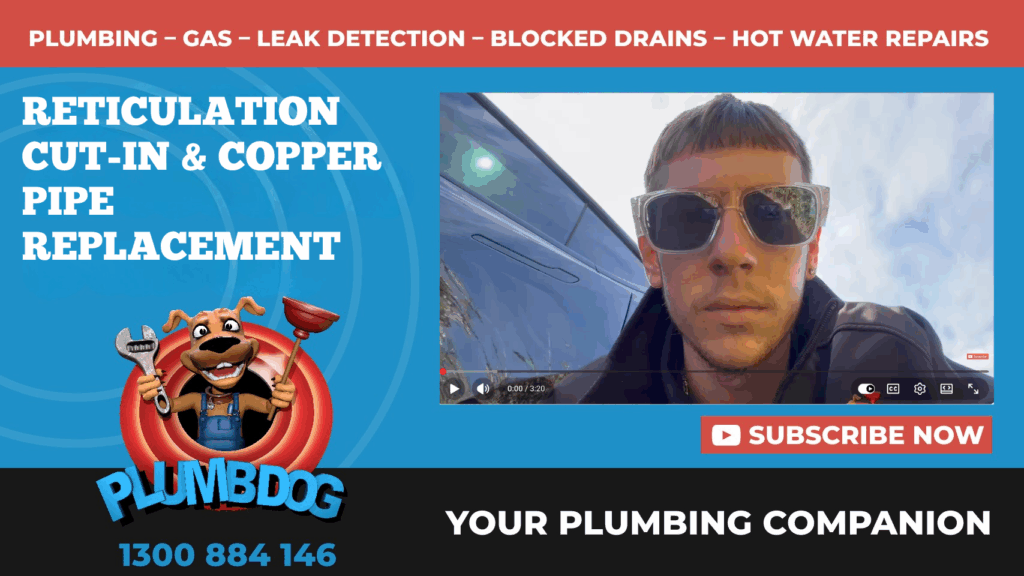
In this latest vlog from Plumbdog Plumbing, Zenn tackles a property where the customer had already experienced a burst pipe on the main water line. While a temporary repair had previously been completed, further investigation revealed heavily corroded copper pipework running back toward the water meter.
Rather than simply patching another section and hoping for the best, the decision was made to properly replace the ageing pipework and prepare the property correctly for future reticulation installation.
Why Corroded Copper Pipework Becomes a Major Problem
Underground copper pipework can last many years, but over time factors such as soil conditions, moisture, age, water quality, and previous repairs can all contribute to corrosion and deterioration.
In many Perth properties, older underground copper lines eventually develop weak points that can lead to:
- Burst pipes
- Hidden underground water leaks
- Pressure loss
- Water wastage
- Damage to landscaping
- Repeated repair costs
In this case, the property had already suffered a burst pipe, and while water leak detection and emergency repair had been completed previously, the surrounding pipework showed clear signs of deterioration.
As Zenn explains in the video, leaving old corroded pipework in place would likely mean future problems were only a matter of time.
Instead of carrying out another temporary fix, the smarter long term approach was chosen:
replace the ageing copper properly while also preparing the infrastructure for future irrigation works.
Excavation and Removal of the Old Pipework
The first stage of the job involved excavation around the affected water service line.
Once exposed, the extent of the corrosion became much clearer. The old repair section and deteriorated copper pipework were removed entirely to eliminate future weak points within the line.
This step is incredibly important because partial repairs on badly aged pipework often only shift the problem elsewhere. Once one section fails, nearby weakened sections commonly follow shortly afterwards.
By removing the compromised pipework completely, the property owner gains a far more reliable long term solution.
Installing a New Copper Main Water Line
After the old line was removed, new copper pipework was installed neatly back toward the water meter.
Copper remains a popular choice for water service lines because of its durability, strength, and long term reliability when installed correctly. Proper installation methods are essential to ensure the pipework is protected and supported appropriately underground.
The new line was connected into the existing water supply and positioned carefully to allow for the future reticulation system installation.
Importantly, this was not simply about replacing damaged pipework. The work was also strategically planned so future irrigation contractors could connect their system easily without requiring unnecessary additional excavation or rework later.
This kind of forward planning helps save both time and money for the customer in the long run.
Why Proper Reticulation Cut-Ins Matter
One of the most important parts of this project was installing a compliant reticulation cut-in.
Many homeowners may not realise that irrigation systems must be installed correctly to protect the property’s drinking water supply. Incorrect installations can create contamination risks through backflow, particularly if pressure changes occur within the water network.
To prevent this, proper backflow protection devices and compliant spacing requirements must be followed under WA plumbing regulations.
As part of this installation, Zenn ensured the reticulation connection was installed at least one metre away from the water meter, helping maintain compliance with current plumbing standards.
The reticulation setup included:
- New reticulation tee-off
- Isolation valve
- Master solenoid
- Dual check valve for backflow prevention
- Protective valve box for future servicing access
These components all play an important role in ensuring the future irrigation system operates safely and efficiently.
The Importance of Isolation Valves and Solenoids
Isolation valves are one of those components many people overlook until something goes wrong.
Having a properly installed isolation valve allows sections of the irrigation system to be shut off independently without affecting the property’s entire water supply. This becomes extremely valuable during future maintenance, repairs, or irrigation upgrades.
The master solenoid also forms a critical part of modern reticulation systems by controlling water flow electronically through the irrigation controller.
Because the customer’s irrigation system had not yet been installed, the wiring was intentionally left disconnected and the valves turned off safely until the irrigation contractor completes the next stage of works.
This ensured everything was properly prepared and ready to go without risking accidental operation or leaks in the meantime.
Backflow Prevention Protects Your Drinking Water
One of the most important safety components installed during the project was the dual check valve.
Backflow prevention devices help stop contaminated water from flowing backward into the property’s drinking water supply. Without proper backflow protection, irrigation systems can potentially allow contaminants from soil, fertilisers, or stagnant water into the potable water system under certain pressure conditions.
This is why compliant backflow prevention is not just recommended, it is an essential part of proper plumbing installation.
Professional licensed plumbers understand these compliance requirements and ensure installations meet current WA standards.
Proper Groundwork Creates Better Long Term Outcomes
One thing that stands out in this project is the attention to detail in the groundwork itself.
After installation:
- The valve box was backfilled neatly
- Blue metal was added around the valve box for drainage and protection
- Pipework was secured correctly
- The site was cleaned and prepared for future landscaping
These finishing details matter because good plumbing work is not only about what functions today, it is about ensuring the installation remains accessible, protected, and serviceable years into the future.
Real Plumbing Solutions, Not Temporary Patches
At Plumbdog Plumbing, the focus is on long term plumbing solutions rather than repeated temporary repairs.
Whether it is replacing corroded water service lines, installing compliant reticulation cut-ins, detecting underground leaks, or preparing properties for irrigation upgrades, proper workmanship makes a major difference to reliability and future maintenance costs.
As this project demonstrates, investing in doing the groundwork properly today can help homeowners avoid far bigger problems tomorrow.
🐾 Real plumbers. Real upgrades. Proper groundwork done right.